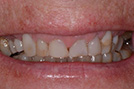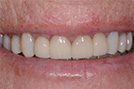
A beautiful smile is more than just straight teeth—it’s also about how your upper and lower teeth fit together when you bite. An improper bite, also known as a malocclusion, can affect your oral health, chewing ability, speech, and even your jaw comfort. If you’ve been wondering whether Invisalign can help not only straighten your teeth but also improve your bite, the answer is often yes—and in many cases, it can do so with more comfort and discretion than traditional braces.
In this post, our experienced cosmetic and implant dentist in Buxton, Dr. Nicholas Roy, and the team here at Saco River Dentistry explore how Invisalign works to correct bite issues, what types of bite problems it can address, and what you can expect from treatment.
Why Bite Alignment Matters
Your bite plays a critical role in your overall oral health. When your teeth don’t meet properly, it can cause:
- Uneven wear on tooth enamel, which may lead to chipping or sensitivity
- Jaw discomfort or temporomandibular joint (TMJ) issues
- Difficulty chewing certain foods
- Speech challenges, such as lisps or difficulty pronouncing certain sounds
- Higher risk of tooth decay or gum disease due to cleaning challenges in misaligned areas
Even if your teeth appear straight, your bite might still be misaligned. This is why a thorough dental evaluation is important before deciding on orthodontic treatment.
How Invisalign Works to Correct Bite Issues
Invisalign uses a series of custom-made, clear aligner trays designed to gradually move your teeth into their ideal positions. Each aligner is worn for about one to two weeks before being replaced with the next in the series, making small, precise adjustments each step of the way.
When it comes to bite correction, Invisalign does more than just shift teeth side-to-side—it can also influence how your upper and lower teeth fit together. The aligners apply gentle pressure to guide teeth forward, backward, up, or down as needed to achieve a balanced bite. In some cases, small tooth-colored attachments are placed on certain teeth to help the aligners achieve more complex movements.
Bite Problems Invisalign Can Address
While Invisalign may not be the right solution for every case, it can be highly effective for many mild to moderate bite issues, including:
Overbite
An overbite occurs when the upper front teeth overlap the lower front teeth too much. Invisalign can help by moving the upper teeth slightly back and/or the lower teeth slightly forward for better alignment.
Underbite
An underbite happens when the lower teeth extend past the upper teeth. Invisalign can shift the lower teeth back and/or the upper teeth forward, creating a more harmonious bite.
Crossbite
A crossbite occurs when some upper teeth sit inside the lower teeth instead of outside. Invisalign can correct this by moving the misaligned teeth into their proper positions.
Open Bite
An open bite is when the upper and lower front teeth don’t touch at all when you close your mouth. Invisalign can help close the gap by adjusting both the vertical and horizontal positions of the teeth.
Minor Bite Irregularities
Even small bite issues—such as slight asymmetry or uneven spacing that affects the way teeth come together—can often be improved with Invisalign.
Benefits of Using Invisalign for Bite Improvement
Many patients choose Invisalign over traditional braces for its comfort, convenience, and aesthetics. Some of the key advantages include:
- Discreet Appearance – The clear aligners are virtually invisible, so most people won’t notice you’re wearing them.
- Removability – You can take out the aligners to eat, drink, brush, and floss, allowing for easier oral hygiene and fewer food restrictions./li>
- More Comfortable Fit – The smooth plastic is designed to minimize irritation to cheeks and gums.
- Fewer Office Visits – Invisalign typically requires fewer adjustment appointments than traditional braces.
- Predictable Results – Advanced 3D imaging technology allows you to preview your potential results before you begin treatment.
What to Expect During Invisalign Bite Correction
Many patients choose Invisalign over traditional braces for its comfort, convenience, and aesthetics. Some of the key advantages include:
- Initial Consultation – One of our skilled dentists in Buxton will examine your teeth and bite, take digital scans, and discuss your goals.
- Custom Treatment Plan – Using specialized software, your dentist will design a series of aligners to guide your teeth and bite into the desired position./li>
- Wearing Your Aligners – For best results, aligners should be worn 20–22 hours a day, only removing them to eat, drink (except water), and clean your teeth.
- Progress Check-Ins – You’ll visit the dental office periodically to ensure your treatment is on track.
- Completion and Retainers – Once your bite and teeth are in alignment, retainers will likely be prescribed to help maintain your new smile and bite position.
Is Invisalign Right for Every Bite Issue?
While Invisalign can treat many bite problems, more severe or complex cases may still require traditional braces or other orthodontic solutions. Factors such as jaw position, severity of misalignment, and overall oral health will influence whether Invisalign is the best choice for you.
During your consultation at Saco River Dentistry, our experienced dentist will provide a detailed evaluation and recommend the treatment that can deliver the healthiest, most attractive results for your smile.
Long-Term Benefits of Improving Your Bite with Invisalign
Correcting your bite with Invisalign isn’t just about aesthetics—it’s an investment in your oral health. Benefits can include:
- Reduced risk of dental damage from uneven pressure or grinding
- Better chewing efficiency, which can improve digestion
- Improved speech clarity for certain soundsLower chance of jaw strain or TMJ discomfort
- Easier oral hygiene thanks to better alignment, which can help prevent cavities and gum disease
Invisalign offers a modern, comfortable, and discreet way to improve not just the look of your smile but also the way your teeth function together. Whether you have an overbite, underbite, crossbite, open bite, or minor bite irregularities, Invisalign may be able to help you achieve a healthier, more balanced bite.
If you’re curious about whether Invisalign can improve your bite, we invite you to schedule a consultation here at Saco River Dentistry. Our dentist can evaluate your unique needs and create a personalized treatment plan to help you smile—and bite—with confidence.